

Speak "Yes" To These 5 Fixing Conservatory Leaks Tips
페이지 정보

본문
Fixing Conservatory Leaks: A Comprehensive Guide
Conservatories, frequently described as sun parlors or solariums, are popular additions to homes, providing a smooth mix of indoor and outside home. However, these structures can sometimes establish leaks, which not just interrupt the convenience of the area but likewise present possible damage to the residential or commercial property. This post explores the common causes of conservatory leaks, how to recognize them, and supplies a step-by-step guide on how to fix them efficiently.

Understanding Conservatory Leaks
Conservatory leaks can occur due to numerous factors, and understanding these causes is important for effective repair. Here are some of the most common issues:
- Roof Issues: The roof is the most vulnerable part of a conservatory. Issues such as damaged or missing tiles, loose or deteriorated seals, and improperly installed flashing can all result in water ingress.
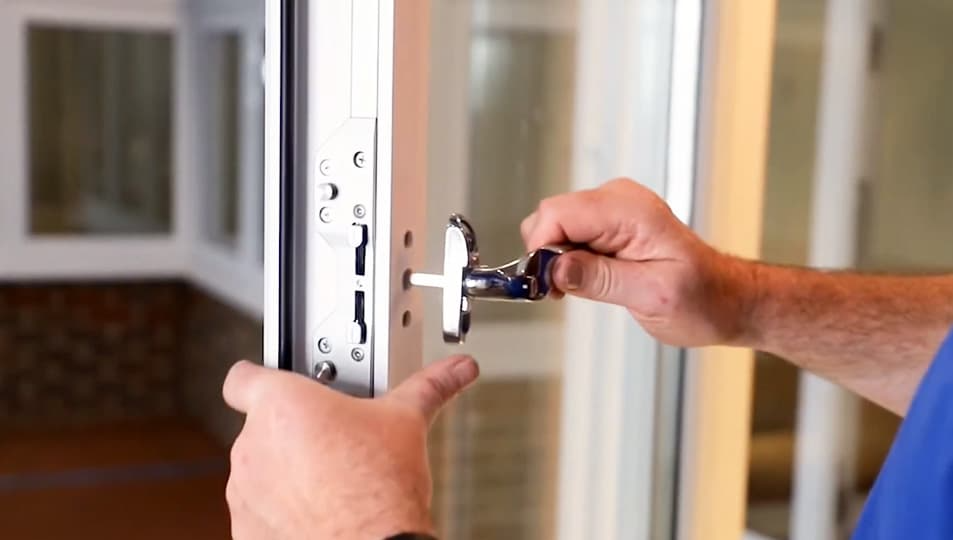
- window lock technician and Door window lock problems Seals: Over time, the seals around doors and windows can degrade, allowing water to seep in. This is especially common in older conservatories.
- Rain Gutter and Downspout Problems: Clogged rain gutters and downspouts can cause water to back up and overflow, leading to leaks.
- Structural Issues: Cracks in the conservatory's structure, such as in the walls or foundation, can also be a source of leaks.
- Poor Drainage: Inadequate drainage around the conservatory can trigger water to swimming pool and seep into the structure.
Identifying Conservatory Leaks
Before attempting any repairs, it's essential to precisely determine the source of the leak. Here are some steps to assist you identify the issue:
- Visual Inspection: Start by visually examining the conservatory from both the inside and outdoors. Search for signs of water damage, such as damp areas, stains, or mold.
- Water Test: Conduct a water test by utilizing a tube or a bucket of water to imitate rain. Concentrate on locations where leaks are thought and observe where water gets in.
- Check Seals and Joints: Examine the seals around windows, doors, and roof joints. Try to find gaps, cracks, or areas where the sealant has broken down.
- Check Gutters and Downspouts: Ensure that seamless gutters and downspouts are clear of particles and correctly connected. Inspect for any indications of water overflow or damage.
Step-by-Step Guide to Fixing Conservatory Leaks
Once you have identified the source of the leak, you can proceed with the essential repairs. Here is a detailed guide to help you fix common conservatory leaks:
Prepare the Area
- Safety First: Ensure you have the necessary safety devices, such as gloves, safety glasses, and Lock replacement a ladder if required.
- Clear the Area: Remove any furniture or products that might be damaged during the repair procedure.
Fix Roof Leaks
- Inspect and Replace Damaged Tiles: Identify and change any broken or missing tiles. Guarantee they are safely secured.
- Reapply Sealant: Apply a top quality sealant to any gaps or fractures in the roof. Use a silicone-based sealant for best results.
- Check and Repair Flashing: Ensure that the flashing around chimneys, vents, and other protrusions is properly installed and sealed.
Repair Window and Door Seals
- Eliminate Old Sealant: Use a scraper or an energy knife to eliminate any old, degraded sealant.
- Clean the Area: Clean the area with a damp cloth to get rid of any dirt or debris.
- Use New Sealant: Apply a new, high-quality sealant around the windows and doors. Ensure it is smooth and even.
Clear Gutters and Downspouts
- Get rid of Debris: Use a trowel or a garden hose pipe to remove any leaves, twigs, or other debris from the gutters.
- Check Connections: Ensure that all connections are safe and that water flows easily through the downspouts.
- Install Gutter Guards: Consider installing gutter guards to avoid future blockages.
Address Structural Issues
- Inspect for Cracks: Look for any cracks in the walls or structure. Utilize a flashlight to get a much better view.
- Repair Cracks: Use a concrete patching compound to fill any fractures. Follow the producer's directions for application and drying time.
- Seal the Area: Apply a water resistant sealant over the repaired area to avoid water from leaking in.
Improve Drainage
- Examine Grading: Ensure that the ground around the conservatory slopes away from the structure to assist in proper drain.
- Install French Drains: Consider setting up French drains pipes to reroute water far from the conservatory.
FAQs
Q: How often should I examine my conservatory for leaks?A: It is advised to check your conservatory at least once a year, preferably before the rainy season. This will assist you catch any issues early and prevent major damage.
Q: Can I fix a conservatory leak myself, or should I work with a professional?A: Minor leaks can often be fixed by homeowners with standard DIY abilities. However, for more intricate issues, it is suggested to work with a professional to ensure the repairs are done correctly and safely.
Q: What kind of sealant should I use for fixing conservatory leaks?A: For best results, utilize a premium, silicone-based sealant. Silicone sealants are long lasting, versatile, and resistant to water and UV rays.
Q: How can I prevent conservatory leaks in the future?A: Regular maintenance is essential to preventing leaks. This includes cleansing rain gutters, examining seals, and resolving any structural issues promptly. Additionally, Window Latch Repair (Titu.Dbv.Ro) consider setting up seamless gutter guards and improving drainage around the conservatory.
Q: What should I do if I notice mold or mildew in my conservatory?A: Mold and mildew are frequently signs of a wetness problem. Address the underlying leak and clean the affected areas with a solution of water and vinegar or a specialized mold cleaner. If the invasion is severe, consult a professional for removal.
Conservatory leaks can be a nuisance, however with the right understanding and tools, they can be successfully addressed. By understanding the common causes, determining the source, and following the detailed guide provided, you can guarantee your conservatory stays a comfy and satisfying area for many years to come. Routine maintenance and prompt attention to any issues will help you avoid more significant issues and extend the life of your conservatory.
- 이전글High Stakes Download Link Http Dl Highstakesweeps Com: Are You Prepared For An excellent Thing? 25.10.11
- 다음글The 12 Best Online Driving Licence Accounts To Follow On Twitter 25.10.11
댓글목록
등록된 댓글이 없습니다.